
Fourteen (14) law students from the Ateneo Law School (ALS) were selected as interns for this year’s Ateneo Human Rights Center (AHRC) Semestral Break Internship Program (SBIP), which brought them to live with the Panay Bukidnons in Jamindan, Capiz in January. The interns were deployed across three barangays where Panay Bukidnons reside—Agbun-od, Agloloway, and Ganzon—marking a significant milestone for the program.
Record-Breaking Recruitment
The call for applications for the 2025 SBIP, spearheaded by AHRC SBIP 2024 alumni Batch Kademoy, officially opened in November 2024 and drew an overwhelming response. More than sixty (60) ALS students applied—one of the highest numbers recorded in the program’s recent history. From this pool, fourteen (14) interns were selected following a rigorous interview and deliberation process.
Batch Kademoy’s batch head and AHRC resident intern Janna Tan shared that the unprecedented number of applicants required assistance from other alumni batches and AHRC staff. “We were overwhelmed by the number of students who expressed interest in joining the program,” she said. “At the same time, it was heartening to see how many ALS students are genuinely interested in human rights advocacy.”
Tan added that while AHRC would have wanted to accommodate more interns, the program remains constrained by limited resources.
Prior to deployment, the selected interns underwent a mandatory five-day Basic Orientation Seminar (BOS) from 13–17 January at Sta. Rafaela Retreat House in Quezon City. The seminar equipped interns with foundational knowledge on human rights, including a comprehensive module on Indigenous Peoples’ rights, and provided formation activities aimed at preparing them holistically for community immersion.
First Immersion Opportunity in the Visayas
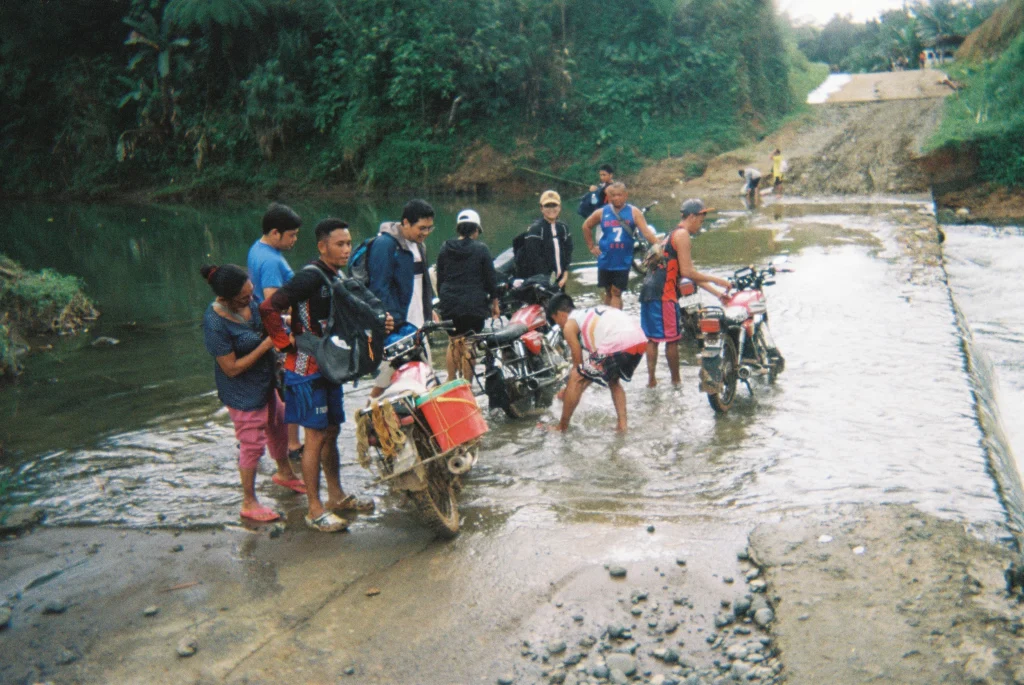
Beyond record-breaking participation, this year’s SBIP marked a historic first for AHRC. Departing from its usual Luzon-based immersion sites, the program expanded to the Visayas through AHRC’s partnership with Panlipi (Tanggapang Panligal ng Katutubong Pilipino). The Internship Program Team, headed by AHRC Internship Director Atty. Katrina Isabela Blanco, facilitated the establishment of Jamindan, Capiz as the new immersion site.
This marks the first time in nearly four decades of AHRC’s internship program that interns were deployed to a Visayan community.
“Part of our vision is to bring human rights closer to communities,” Atty. Blanco said. “If that means going to places we have not gone to before in order to understand their contexts and struggles, then that is something we are willing to do.”
She added that bringing SBIP to Capiz allowed interns to reflect deeply on their role as advocates and future lawyers, and to understand more concretely what “alternative lawyering” and “walking with communities” truly mean.
Reflections from the Immersion Experience
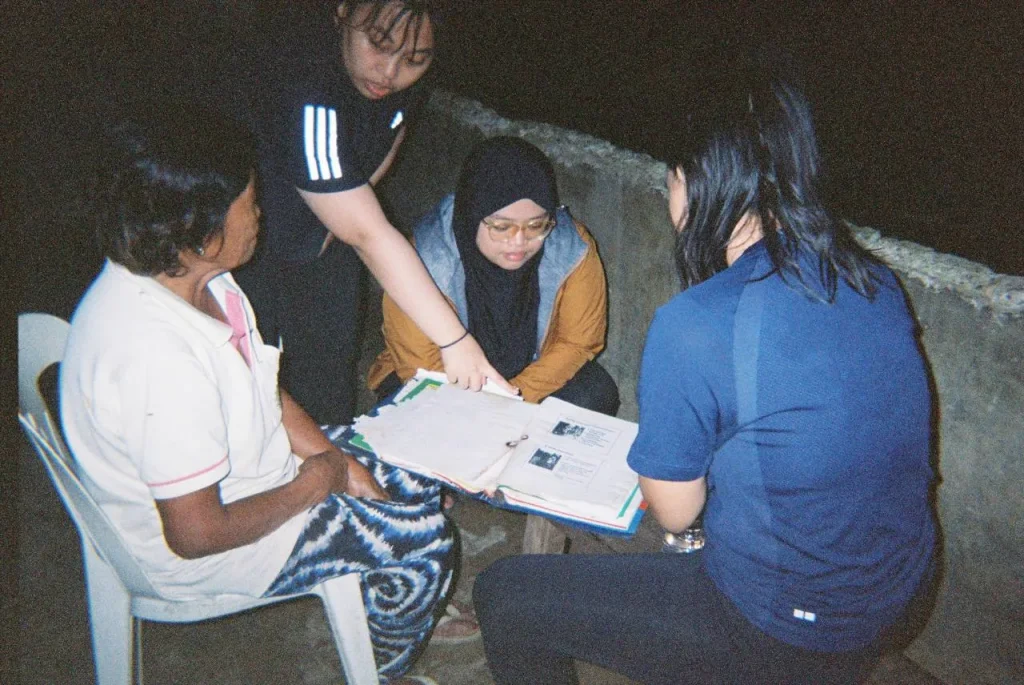


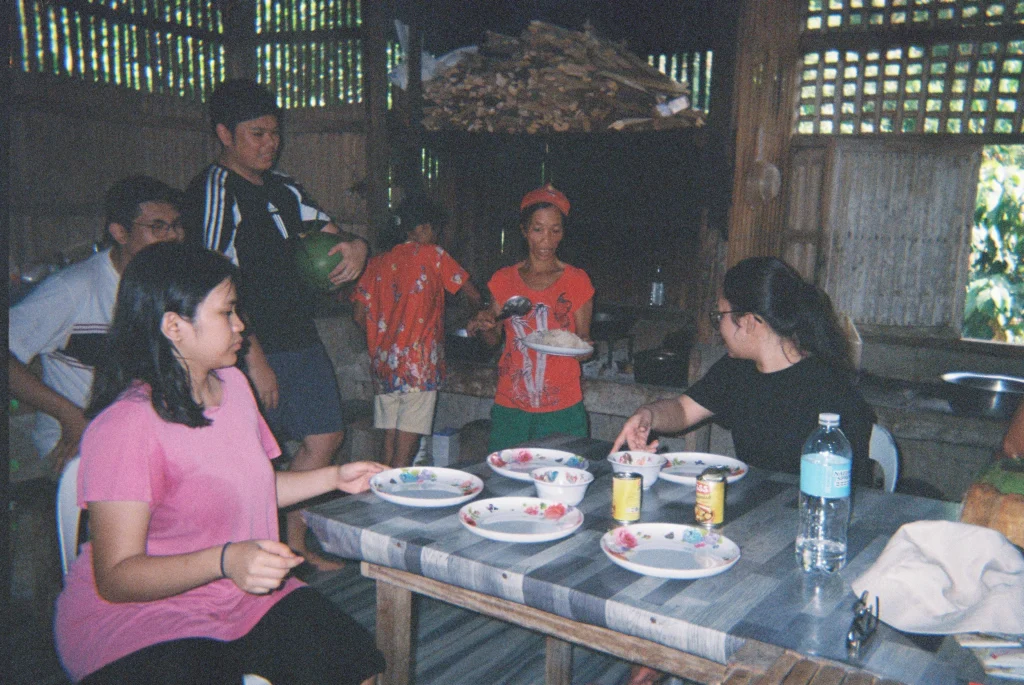
For many interns, the immersion experience revealed realities far removed from the classroom.
Gabbie Bernardo, who was assigned to a foster family in Barangay Agbun-od, shared in her reflection titled “Unseen Stories” how conversations with community members revealed their limited access to legal assistance.
“One of the things that struck me most was when the people of Agbun-od told us that they rarely have visitors—much less lawyers—who would hear out their problems,” Bernardo shared. While many of their concerns involved everyday issues such as birth registration, she noted that the opportunity to speak with someone trained in the law was something the community seldom experienced.
Meanwhile, Kenan Gawaran’s deployment to Barangay Ganzon, the farthest and one of the Indigenous Peoples barangays of Jamindan, offered a humbling experience that challenged his initial expectations.
Entering the community, Gawaran initially believed his role would involve applying what he had learned about the Indigenous Peoples’ Rights Act during the BOS. However, living with a host family revealed a different reality. “The quiet uncertainty of our first night showed that immersion required patience, presence, and restraint rather than immediate action,” he shared.
Recalling advice to “do nothing” and simply immerse, Gawaran reflected on how community engagement proved far more challenging than the structured environment of law school. His experience underscored that human rights are not confined to legal texts or court rulings, but are lived and tangible: such as the right to safe and reliable roads, free from hazards and the constant fear of development aggression.
Lessons from the Internship Program
The AHRC Internship Program is designed to train and empower law students to engage in alternative lawyering by immersing them in vulnerable communities. Through firsthand experience, interns are encouraged to understand the systemic barriers that prevent communities from fully realizing their rights, and to reflect on how the law can be used to bridge these gaps.

Atty. Blanco emphasized this purpose in her message to the interns prior to deployment. “Every year, we remind our interns to ‘walk with communities,’” she said. “They are there not to solve problems, but to live as the community does—even for a short time—and to understand their plight from within.”
She expressed hope that through living and standing in solidarity with the Panay Bukidnons, interns would carry forward a renewed sense of purpose, one that responds to the call of the times and finds the courage to confront injustice.